
Visit Zanzibar
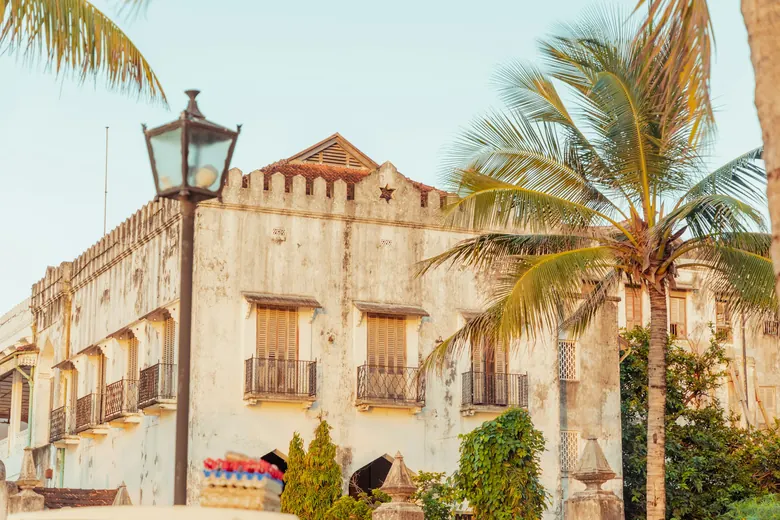
Zanzibar’s historic Stone Town, a UNESCO World Heritage Site, is a fascinating blend of African, Arab, Indian and European influences, an island shaped by centuries of trade and cultural exchange.

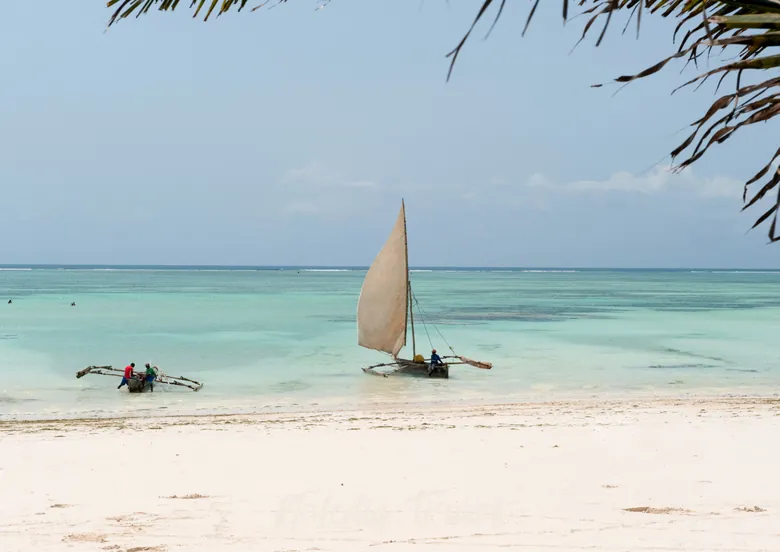
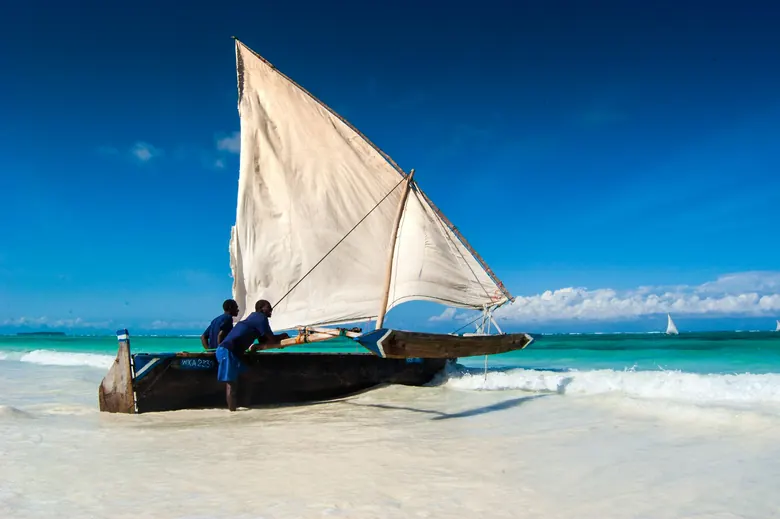
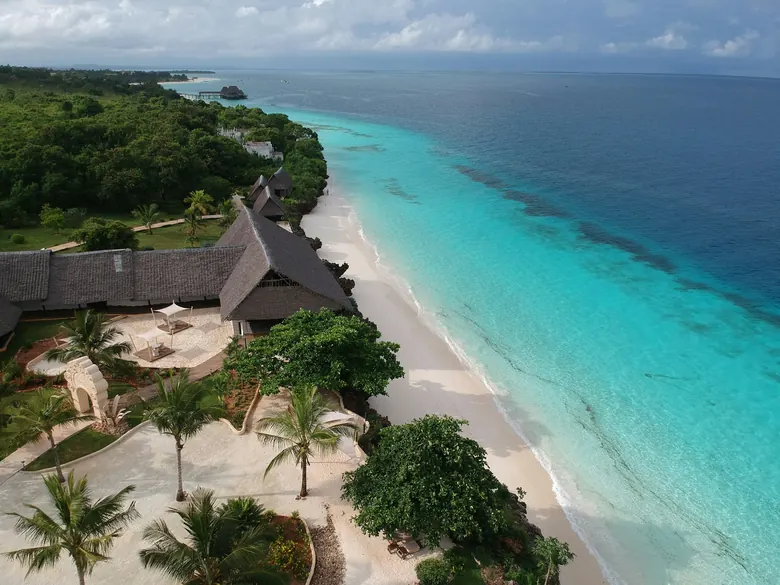
Beyond Stone Town, Zanzibar is all about the Indian Ocean. Palm-fringed beaches, white sand, turquoise waters and vibrant coral reefs create the perfect setting for an island escape. Spend your days relaxing at a luxurious resort, snorkelling or diving in warm tropical waters, exploring the famous spice farms, watching the sunset from a traditional dhow or simply doing absolutely nothing…
Why we love it
We love Zanzibar for its combination of exotic beauty, culture and laid-back African island living.
The island’s unique blend is reflected in everything from its architecture and history to its food, music and traditions. Add warm tropical waters, beautiful beaches and some truly spectacular resorts, and Zanzibar becomes much more than a beach holiday.
When to visit Zanzibar
Zanzibar enjoys a warm, tropical climate throughout the year. Daytime temperatures generally range from around 28°C to 32°C, with warm evenings and high humidity.
The traditional dry seasons are generally June to October and December to February, making these popular periods for beach holidays. March to May is the main rainy season, with heavier rainfall and more humid conditions. The shorter rains generally occur around November. February can be particularly hot and humid.
Tides of Zanzibar
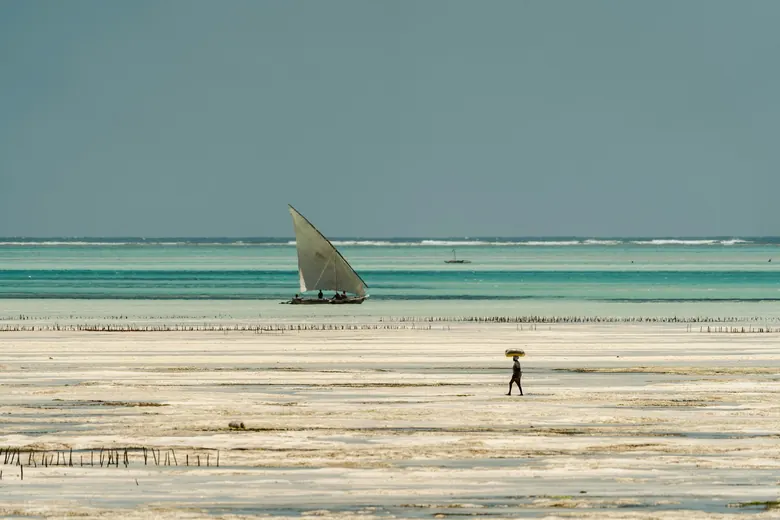
Zanzibar’s tides are one of the things that can really surprise first-time visitors. The island experiences two high tides and two low tides each day, so the appearance of the beach can change dramatically between morning and afternoon.
Where you stay matters if swimming directly from the beach is important to you.
- East & southeast coast: The tidal movement is very noticeable. At low tide, swimming from the beach may be difficult or impossible in some areas, particularly around coral and seaweed flats, as the sea retreats 100s of metres
- North coast: Nungwi and Kendwa are much less affected by the dramatic tidal changes and generally offer better opportunities for swimming throughout the day.
- Resorts: Many resorts have swimming pools and some have access to beaches or reef areas where swimming remains practical even when the tide is out.
The tides are not necessarily a negative — they are part of what makes Zanzibar interesting. At low tide, you can see locals walking across the exposed flats, collecting seaweed and shellfish, and you get a fascinating glimpse of the marine environment normally hidden beneath the water.
Beaches of Zanzibar
Beaches are generally public. Even when you are staying at a luxury beachfront resort, the stretch of beach in front of the property is not necessarily private or exclusively for hotel guests.
You may encounter local beach sellers, tour operators and vendors, often known as beach boys, who approach visitors offering excursions, souvenirs, and other goods and services. Some can be persistent and may continue walking alongside you or approaching you after you have initially declined.
The best approach is to be polite but firm. A simple “No, thank you” and continuing to walk is usually sufficient. If you are not interested, avoid engaging in lengthy conversations or negotiating, as this can sometimes encourage further interaction.
Important information about your holiday to Zanzibar
Language
The main language spoken in Zanzibar is Swahili (Kiswahili). English is widely spoken in tourist areas, hotels and resorts.
Currency
The local currency is the Tanzanian Shilling (TZS). US Dollars are also widely accepted in tourist areas, hotels and resorts, particularly for excursions and tips.
We recommend travelling with some US Dollar cash in small denominations for tips, small purchases and incidental expenses. Credit and debit cards are accepted at most hotels and established tourist businesses, although smaller shops and local vendors may be cash-only.
Visas for South African travellers
South African passport holders do not require a visa to enter Tanzania for tourism, your passport must be valid for 6 months from your date of return with 2 blank pages in your passport.
Mandatory Zanzibar travel insurance
Visitors to Zanzibar are required to have mandatory inbound travel insurance issued through the Zanzibar Insurance Corporation (ZIC). This requirement applies even if you already have your own international travel insurance.
The cost of this insurance varies, please contact us for more details or see: https://visitzanzibar.go.tz
Health
Zanzibar is situated in a malaria-risk area, speak to your doctor or travel clinic well before departure about malaria prevention and any recommended vaccinations or medication.
Comprehensive travel insurance is also strongly recommended, particularly cover that includes medical treatment and emergency evacuation.
Yellow fever
For travellers arriving directly from South Africa, yellow fever vaccination is not normally required solely because Tanzania is the destination. However, yellow fever requirements can apply depending on the countries visited or transited through during your journey. South Africa does require a valid yellow fever certificate for travellers arriving from a yellow-fever-risk country, or in certain circumstances following a lengthy transit through one.
What to pack for your Zanzibar holiday
Pack plenty of lightweight beachwear and casual clothing for the day, along with something smart-casual for evenings at your resort.
Islam deeply influences daily life, so when visiting Stone Town, villages, markets or religious and cultural sites, dress respectfully. Shoulders and knees should generally be covered, particularly when away from the beach and resort areas. Lightweight trousers, longer shorts, skirts and dresses are ideal.
Remember to pack…
- Swimwear and beachwear
- Sun hat and high-SPF sunscreen
- Sunglasses
- Comfortable walking shoes or sandals
- Lightweight, breathable clothing
- A light jacket or wrap for evenings
- Insect repellent
- A reusable water bottle
- US Dollar cash in small denominations
- Travel adaptor
- Umbrella or lightweight rain jacket, particularly during the rainy seasons
The top attractions worth visiting
The Rock Restaurant
One of Zanzibar’s most iconic dining experiences. Perched on a tiny rock in the Indian Ocean off the southeast coast, The Rock is reached by boat or, at low tide, on foot. Come for the setting as much as the food — it is particularly spectacular around sunset.
Snorkelling at Mnemba Atoll
For many visitors, this is one of the highlights of a Zanzibar holiday. The waters around Mnemba Atoll, off the northeast coast, are renowned for their clear water, coral reefs and abundant marine life. It is an excellent choice for snorkelling and diving.
Prison Island (Changuu Island)
Take a short boat trip from Stone Town to Prison Island, where you can explore the island's history and encounter its famous giant Aldabra tortoises. Some of these magnificent animals are more than 100 years old. The island also offers beautiful turquoise waters and opportunities to swim and snorkel.
Stone Town
Spend time in the narrow streets of Zanzibar's historic heart. Discover the beautifully carved doors, old buildings, markets, mosques and fascinating blend of African, Arab and Indian influences.
Spice Farm Tour
Zanzibar's reputation as the “Spice Island” comes alive on a spice farm tour. See, smell and taste cloves, cinnamon, vanilla, cardamom and other tropical spices while learning about their importance to the island's history and culture.
Sunset Dhow Cruise
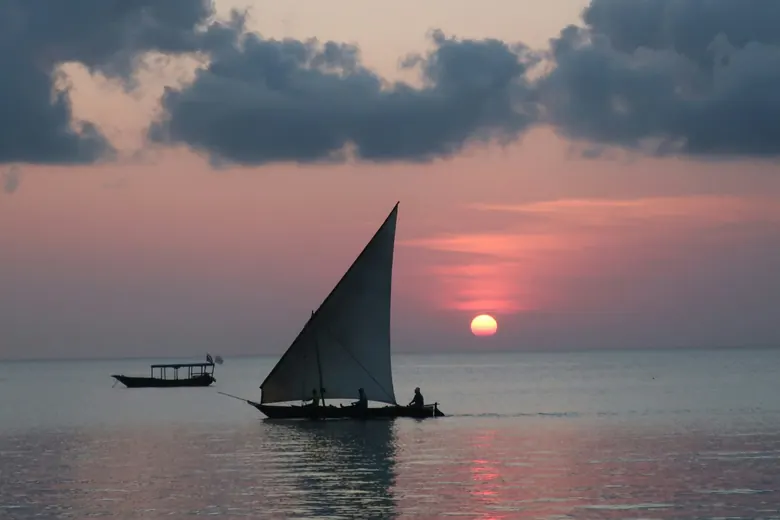
Finish the day the traditional Zanzibar way – aboard a dhow, watching the sun set over the Indian Ocean. It is simple, romantic and particularly memorable for couples.
… exactly what makes Zanzibar more interesting than simply being a beach destination.
Entry, health and travel requirements can change. Please check the latest requirements before you travel, or ask us when you book.